Journal
Keep up to date with news from Devocracy.
Here you'll find case study, tech articles and more.
- Posts
- 6 so far · and growing
- Written by
- Eric Chautems
- Feed
- RSS
Latest
Start anywhere.
Our most fresh news.

How the web became the default
Every platform once demanded its own language, toolchain and answer to deployment. The web escaped that and became the default for almost everything, including the things it was worst at, and it never handed anyone an architecture.
How the web stack grew up
The last decade did not produce a winning framework. It produced better runtimes, lighter delivery, shared standards and durable workflows, plus two answers nobody yet ships in the same box: opinionated frameworks and open standards.
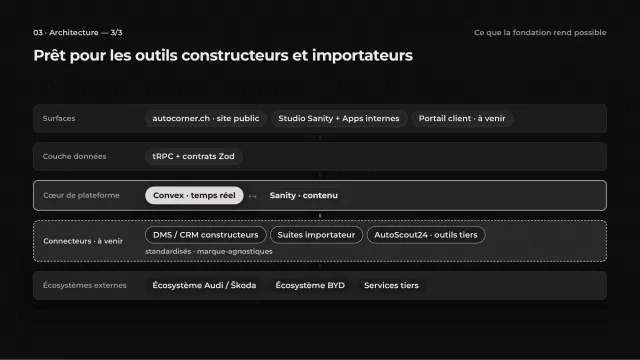
When content management and business workflows meet
Autocorner’s website became the foundation for something larger: reusable forms, real availability, notifications and internal tools that connect customer journeys with daily dealership work.
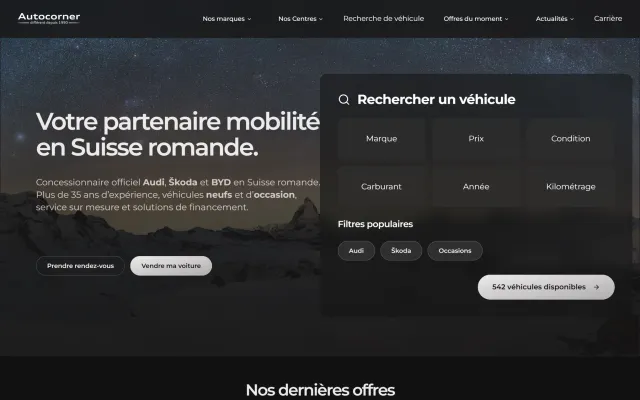
A true multi-brand and multi-channel experience
Autocorner needed more than a cleaner website. It needed one platform where every brand, centre, content channel and live vehicle listing could work together without becoming a separate project.
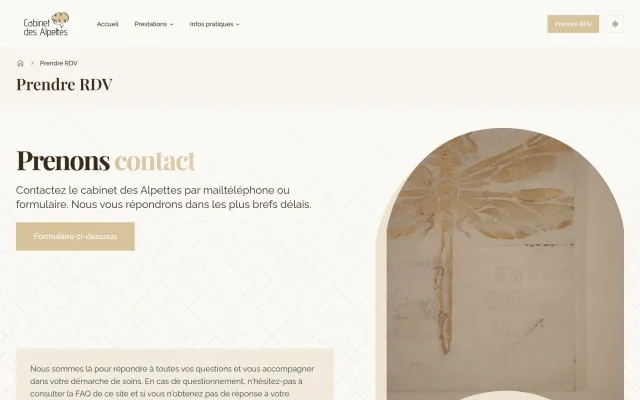
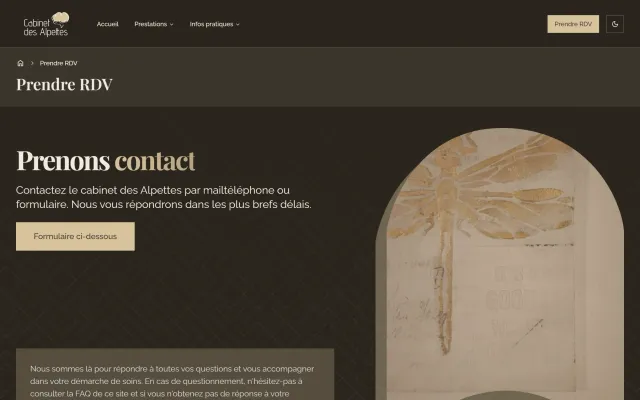
A simple yet flexible CMS driven website.
A practice with no developer needed to change its own website at lowest possible friction while being able to build a beatuiful website.
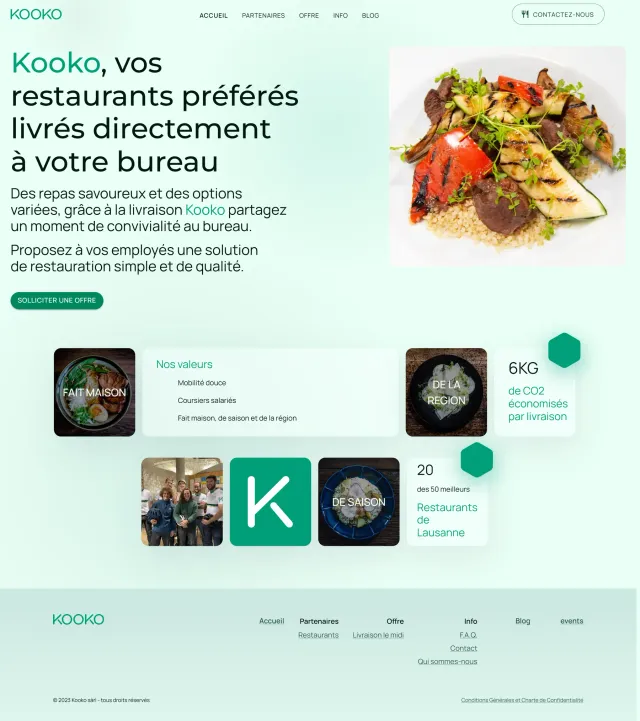
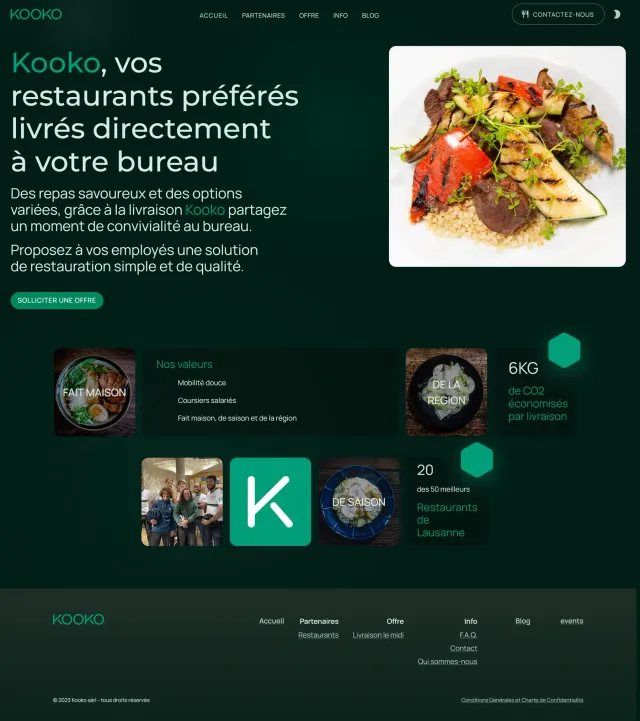
When the customer changes, the platform must follow
Kooko began by delivering dinner to individuals, then served groups of colleagues and finally their employers. Five years and four architectures taught us when to adapt a system—and when to stop extending it.
Post 1 of 6
All posts
Looking for something specific?
Try filtering topics that interest you.
Filter by topic
How the web became the default
Every platform once demanded its own language, toolchain and answer to deployment. The web escaped that and became the default for almost everything, including the things it was worst at, and it never handed anyone an architecture.
How the web stack grew up
The last decade did not produce a winning framework. It produced better runtimes, lighter delivery, shared standards and durable workflows, plus two answers nobody yet ships in the same box: opinionated frameworks and open standards.
When content management and business workflows meet
Autocorner’s website became the foundation for something larger: reusable forms, real availability, notifications and internal tools that connect customer journeys with daily dealership work.
A true multi-brand and multi-channel experience
Autocorner needed more than a cleaner website. It needed one platform where every brand, centre, content channel and live vehicle listing could work together without becoming a separate project.
A simple yet flexible CMS driven website.
A practice with no developer needed to change its own website at lowest possible friction while being able to build a beatuiful website.
When the customer changes, the platform must follow
Kooko began by delivering dinner to individuals, then served groups of colleagues and finally their employers. Five years and four architectures taught us when to adapt a system—and when to stop extending it.
Next step
Recognise the problem?
If one of these sounds like your system, the first conversation costs nothing.